


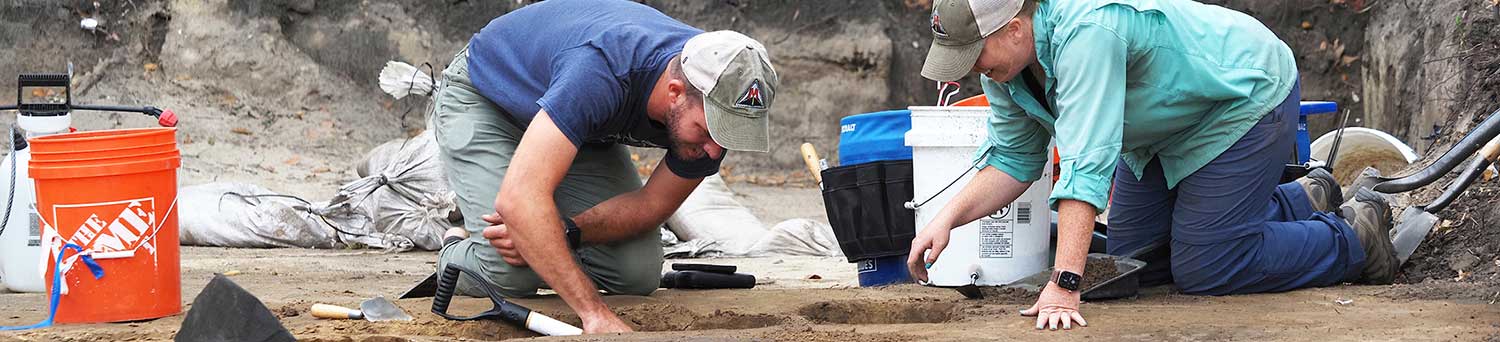
The Center for Archaeological Studies conducts archaeological research, teaching, and public service in the north-central Gulf Coast region. The Center promotes the archaeological study and appreciation of the region's prehistoric and historic past; disseminates to the public information about the region's archaeology; and preserves archaeological evidence of the region's past for future study, use, and enjoyment. The Center involves students in research projects, providing hands-on experience in archaeology.
The Center's archaeologists have carried out over 1,000 survey and excavation projects during the last thirty years. Ground-breaking research at sites like Old Mobile and Port Dauphin has revealed much about Alabama's earliest colonial history. The rapid pace of modern development has also led us to sites like Bottle Creek, the Exploreum, and Dog River Bridge, where Indigenous People, French, British, Spanish, and Early American settlers left their marks on the landscape.
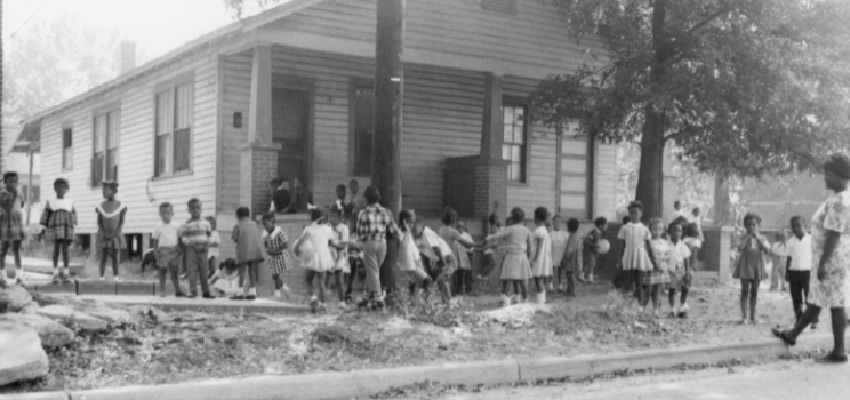 Down the Bay: Making Your Own Fun
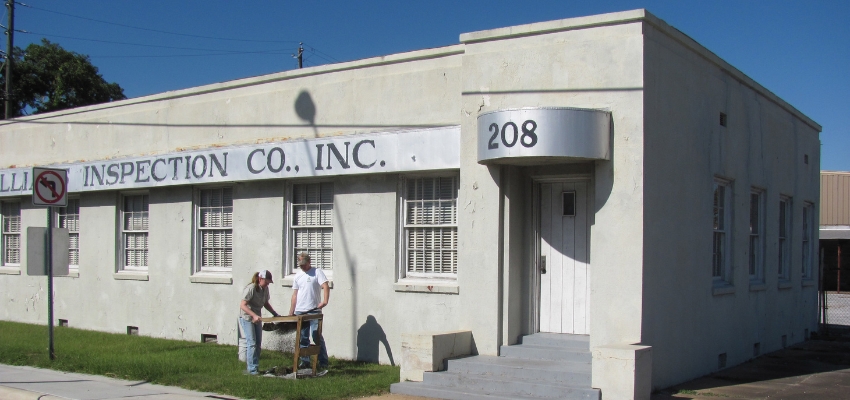 Archaeology in Action: Williams Inspection Site
 A "How?" to Follow the "Why?"